Airway & Breathing Disorders
Improving Airflow to Support Comfort, Energy, and Overall Function
Airway problems aren’t always obvious. They can show up as snoring, restless sleep, chronic fatigue, or even jaw and facial tension. Many people live with restricted breathing for years without realizing it, assuming they are just “bad sleepers” or blaming stress for feeling tired and foggy.
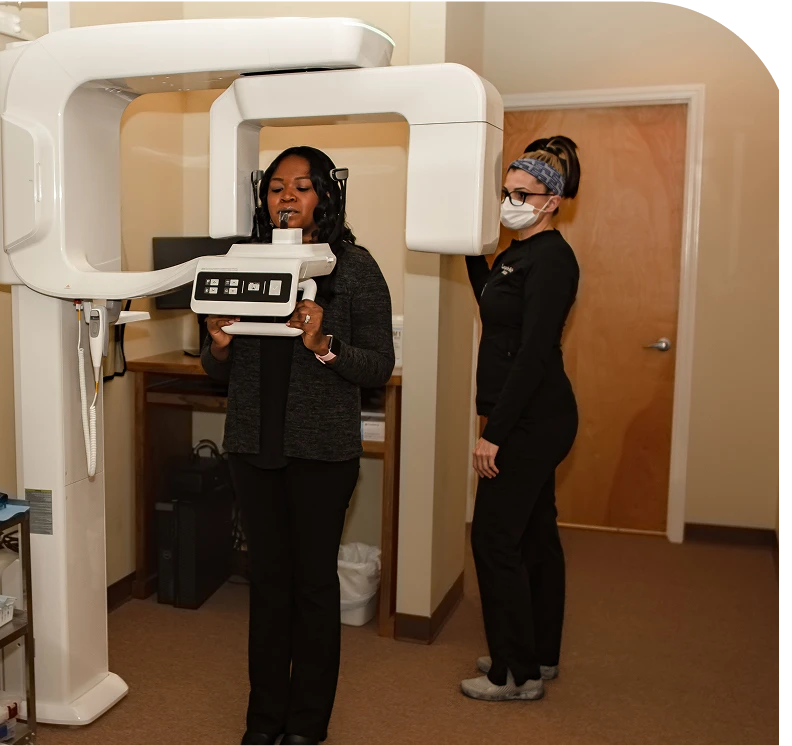
Breathing issues are a structural problem that affects the whole body, which is why we look at how the jaw, tongue, nasal passages, and overall posture influence airflow. This allows us to find the root of the problem, so we can create a plan to improve it.
Common Symptoms of Obstructive Breathing:
Facial soreness, jaw tension, or tightness on waking
Snoring and breathing interruptions during sleep
Difficulty tolerating or using CPAP
Waking up feeling unrefreshed or with morning headaches
Daytime fatigue, brain fog, and low energy
Chronic tiredness that doesn’t improve with more sleep

Our Treatment Options Include:
Oral appliances designed to support jaw position and improve airway space
Nasal breathing strategies and guidance on reducing mouth breathing
Breathing exercises to improve function and encourage better patterns
Evaluation of tongue posture and related muscle activity
Lifestyle and sleep environment adjustments to support long-term change
Sleep studies to monitor breathing patterns and identify sleep-related disruptions
Instead of focusing only on symptoms like snoring or daytime fatigue, we look at how your airway is structured and how it functions while you breathe and sleep.
This means checking jaw alignment, nasal passages, tongue position, and overall muscle balance.
- Understanding these pieces makes it possible to address the real obstruction or dysfunction rather than chasing surface-level fixes.
- Breathing shouldn’t feel like work. If it does, we can help you change that.